Ejector Pump Installation in Boston, MA
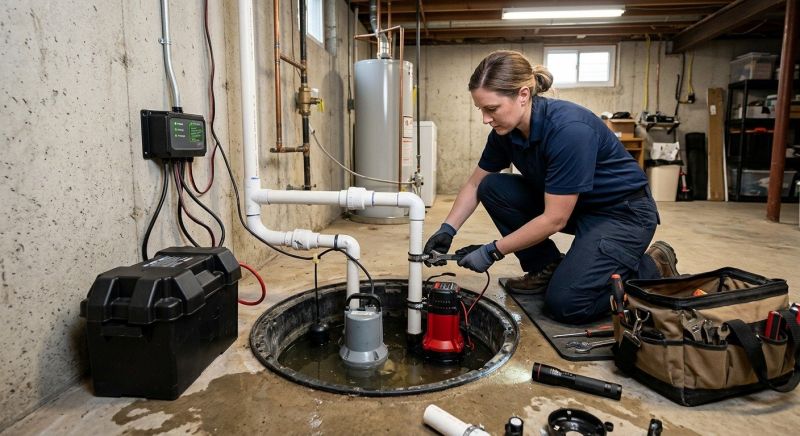
Ejector pump installation services are designed to help homeowners manage wastewater and sewage that originate from lower levels of a property, such as basements or lower floors. This system works by collecting wastewater from fixtures like toilets, sinks, and laundry machines, then pumping it upward to the main sewer line or septic system. Projects typically involve installing new ejector pumps in existing plumbing setups or replacing outdated units to ensure proper waste removal and prevent backups. Property owners often want to understand the specific requirements for their space, including the size of the pump needed, the electrical connections involved, and the space available for installation.
Before requesting ejector pump installation, homeowners usually seek information about the scope of work, including whether the existing plumbing needs modifications and what maintenance might be required afterward. It’s also common to inquire about the compatibility of different pump models with their property’s layout and the importance of proper venting and drainage connections. Clarifying these details helps ensure the system functions effectively, reduces the risk of future issues, and aligns with the property's plumbing setup.
Many property owners in Boston, MA look into Ejector Pump Installation for repairs, replacements, upgrades, and appearance-related improvements.
Understanding Ejector Pumps
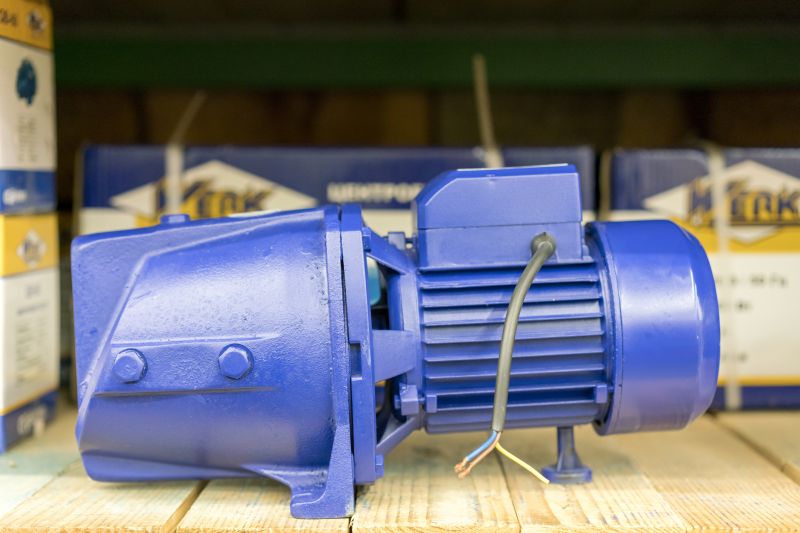
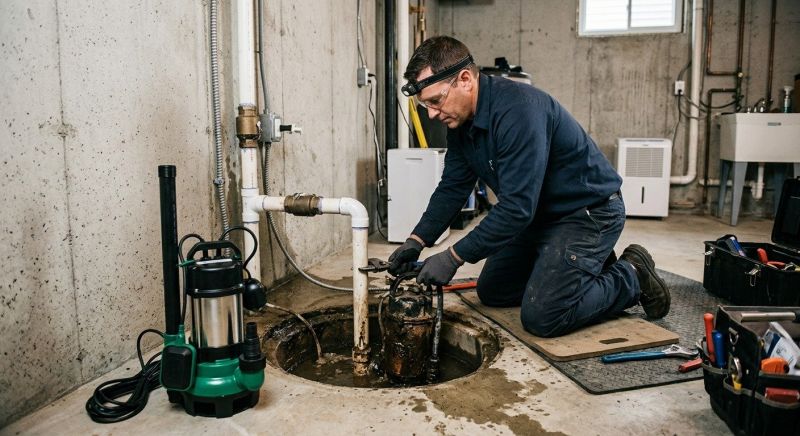
Ejector pumps are used to move wastewater from below-grade fixtures to the main sewer line.
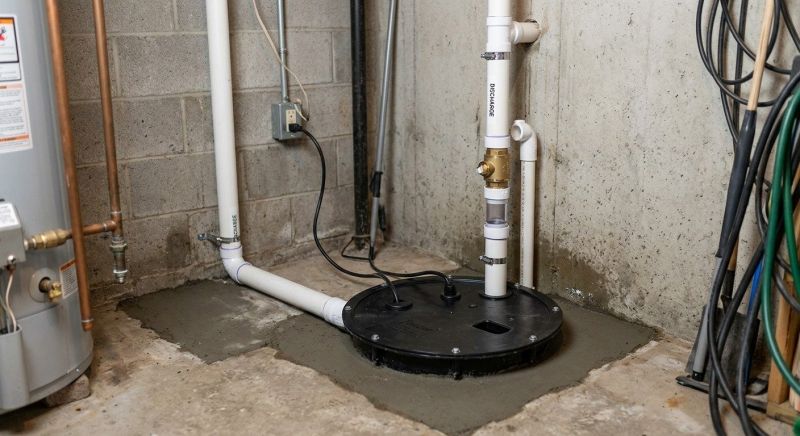
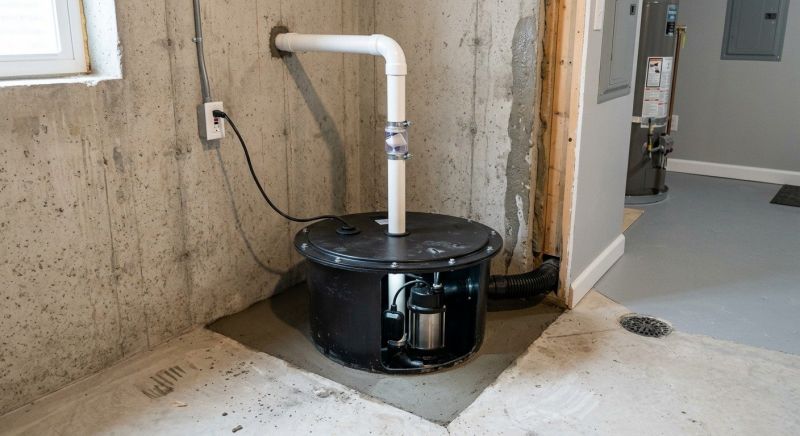
Common Installation Projects
They are often installed in basements, laundry rooms, or other areas with challenging drainage needs.
Key Considerations For Property Owners
Proper installation ensures reliable operation and prevents basement flooding in boston homes and businesses.
Ejector Pump Installation in Boston, MA
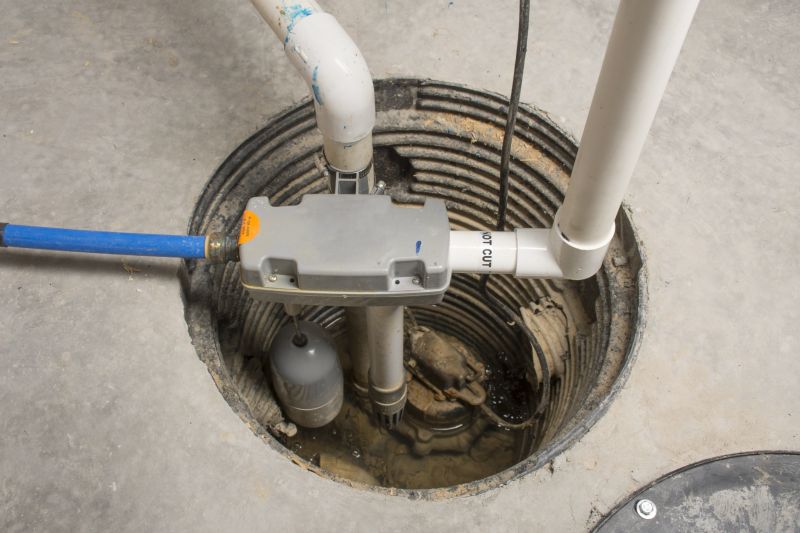
Ejector pump installation services are designed to help homeowners manage wastewater and sewage that originate from lower levels of a property, such as basements or lower floors. This system works by collecting wastewater from fixtures like toilets, sinks, and laundry machines, then pumping it upward to the main sewer line or septic system. Projects typically involve installing new ejector pumps in existing plumbing setups or replacing outdated units to ensure proper waste removal and prevent backups. Property owners often want to understand the specific requirements for their space, including the size of the pump needed, the electrical connections involved, and the space available for installation.
Before requesting ejector pump installation, homeowners usually seek information about the scope of work, including whether the existing plumbing needs modifications and what maintenance might be required afterward. It’s also common to inquire about the compatibility of different pump models with their property’s layout and the importance of proper venting and drainage connections. Clarifying these details helps ensure the system functions effectively, reduces the risk of future issues, and aligns with the property's plumbing setup.
Many property owners in Boston, MA look into Ejector Pump Installation for repairs, replacements, upgrades, and appearance-related improvements.
Common Ejector Pump Installation Jobs
Residential plumbing - installation of ejector pumps to manage wastewater from basement bathrooms and laundry rooms.
Property upgrades - integrating ejector pumps into existing plumbing systems for improved drainage.
New construction projects - installing ejector pumps in homes and additions to handle sewage and greywater.
Basement renovation - adding ejector pumps to support bathroom and utility room installations below sewer lines.
Sump and sewage pump systems - setting up ejector pumps to prevent backups and maintain proper flow.
Troubleshooting services - diagnosing and installing ejector pumps to resolve drainage issues effectively.
Ejector Pump Installation Questions
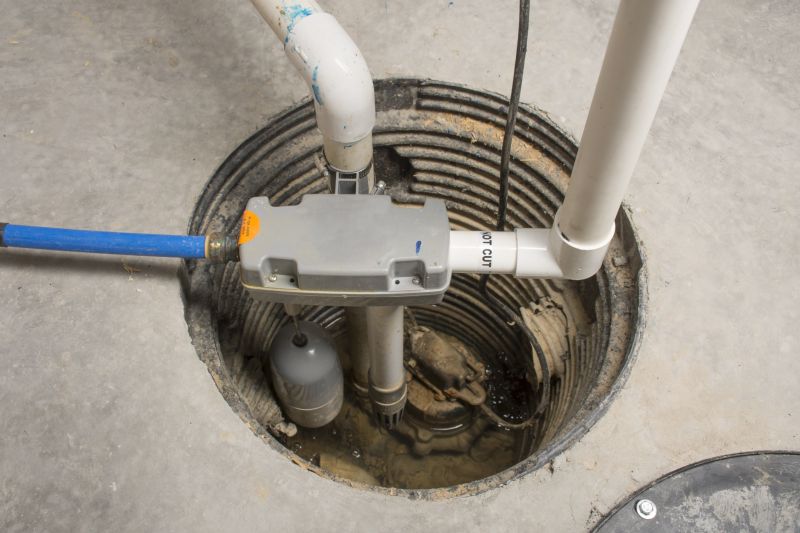
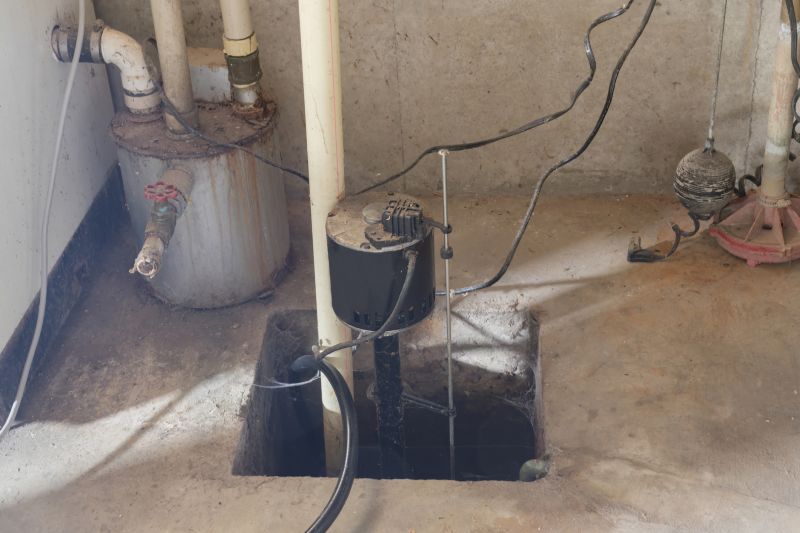
What is an ejector pump used for? An ejector pump helps remove wastewater and sewage from basement or lower-level plumbing systems, especially when gravity drainage isn't sufficient.
Where are ejector pumps typically installed? They are usually installed in basement or crawl space areas to manage waste from bathrooms, laundry rooms, or other plumbing fixtures below main sewer lines.
What signs indicate an ejector pump may need replacement? Unusual noises, persistent odors, or frequent cycling can suggest the pump is malfunctioning or nearing the end of its service life.
Are ejector pumps a permanent solution for home drainage? Yes, when properly installed and maintained, ejector pumps provide reliable wastewater removal for many years in residential properties.
Request Ejector Pump Installation in Boston, MA
Use the quote form on this page to share the basics of your project and request more information for the type of work you need.